
Electrolytes: Sodium, Water, and Race Day
How to do more than just drink water and actually keep your body working: sodium, sweat, carbs, the gut, heat, long distance, and TE Regular / PH+ products in one strategy.

How to do more than just drink water and actually keep your body working: sodium, sweat, carbs, the gut, heat, long distance, and TE Regular / PH+ products in one strategy.
Water works together with sodium Electrolytes aren’t a replacement for drinking; they make your hydration plan more consistent in the heat, in the mountains, and during long efforts.
How to read this guide
Electrolytes aren’t just another tub on the shelf — they’re part of your race strategy: water, sodium, carbs, heat, pace, and gut tolerance all have to work together. First figure out your sweat and sodium losses, then choose Regular or PH+ for the conditions, and test the plan in training.
Why you even need electrolytes
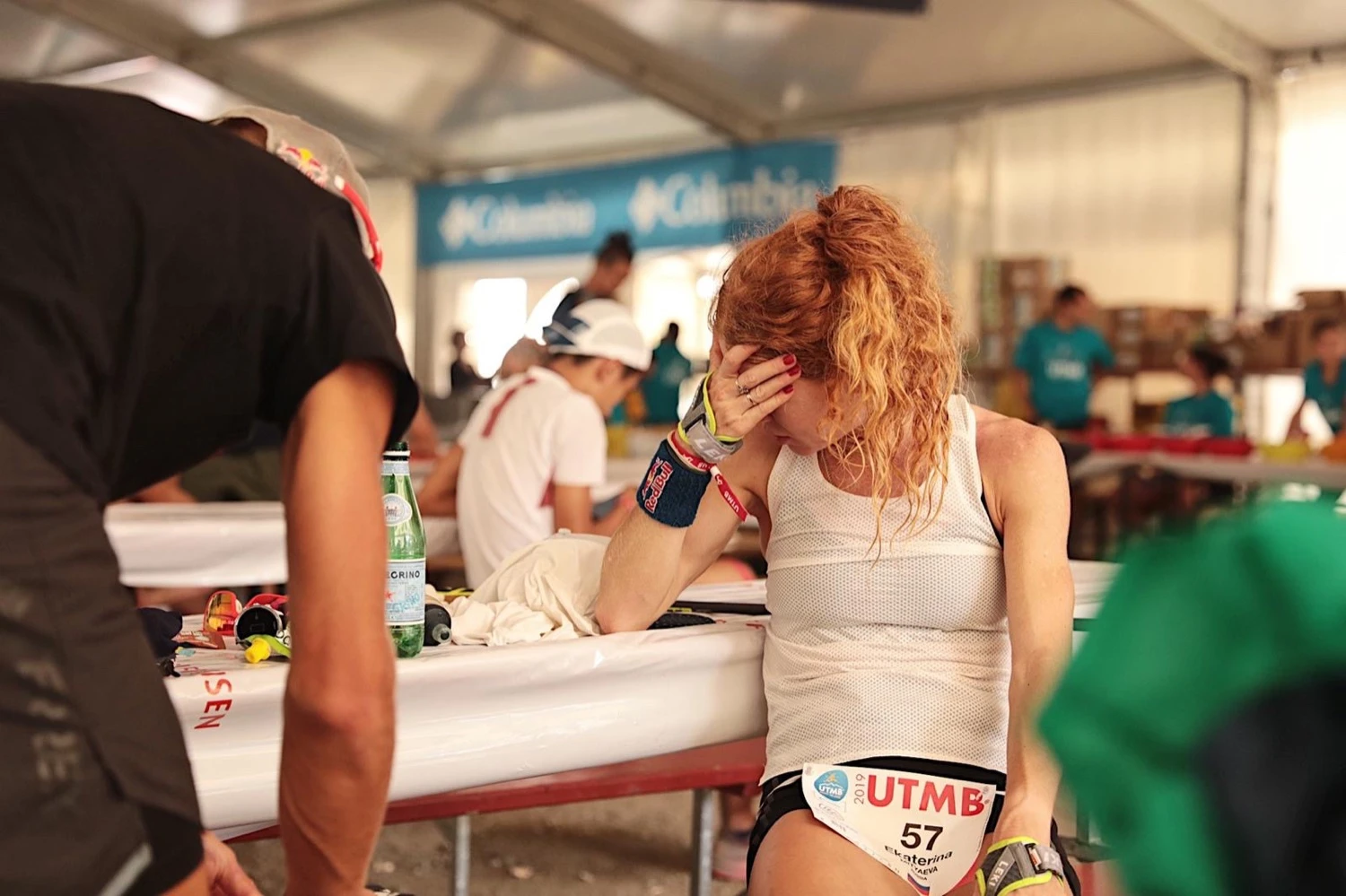
In a long race, your hydration plan needs to work before thirst, heavy legs, or nausea show up.
When we talk about "drinking during training," we usually think only about water. But during prolonged exercise, the body loses more than just water. Sweat carries away sodium, chloride, potassium, magnesium, calcium, and other minerals. They’re involved in the nervous system, muscle contraction, maintaining blood volume, acid-base balance, fluid balance, and a normal heart rhythm.
Electrolytes are minerals that carry an electrical charge in the body’s fluids, which is exactly why they’re directly tied to your muscles, nerves, hydration, and heart function. For an endurance athlete, electrolytes aren’t a trendy supplement but part of your nutrition and hydration system — especially when a workout or race lasts more than an hour, takes place in the heat, at altitude, in humidity, in the mountains, in heavy gear, or when the athlete sweats heavily.
Water helps replace fluid. Electrolytes help you retain and properly distribute that fluid. Sodium is the main electrolyte we lose in meaningful amounts through sweat.
1. What electrolytes are
Electrolytes dissolve in water and take on an electrical charge. In the body they’re found in blood, interstitial fluid, inside cells, in urine, and in sweat.
Electrolyte
What it does
Why it matters to an athlete
Sodium — Na+
Fluid balance, blood volume, nerve impulses, muscle function
The main mineral in sweat; helps retain fluid and maintain performance
Chloride — Cl-
Acid-base balance, fluid balance, gastric juice function
Usually comes along with sodium as sodium chloride
Potassium — K+
Intracellular fluid balance, nerve transmission, muscle contractions
Important for muscles and the heart, but lost in sweat in smaller amounts than sodium
Magnesium — Mg
Energy metabolism, nerve and muscle function, protein synthesis
Important for recovery, neuromuscular regulation, and overall metabolism
Calcium — Ca
Bones, muscle contractions, nerve transmission, blood clotting
Needed not just by bones but also by muscles, the nervous system, and blood vessels
Potassium supports intracellular volume, electrochemical gradients, nerve transmission, and muscle contraction. Magnesium is involved in a large number of reactions, and a deficiency can show up as fatigue, weakness, muscle twitching, cramps, and heart rhythm disturbances. Calcium matters not only for bones but also for muscle function, nerve transmission, and the contraction and relaxation of blood vessels.
2. Why sodium is the main electrolyte for endurance
For a runner, cyclist, skier, triathlete, trail runner, or any athlete who works at an elevated heart rate for a long time, sodium is the key electrolyte. It helps maintain blood volume, regulate the distribution of water between blood and cells, transmit nerve impulses, support muscle contractions, participate in nutrient transport, and keep the cardiovascular system working during exercise.
In everyday life, excess sodium is a problem. But endurance sport is a different situation. If someone loses 1–2 liters of sweat per hour, and each liter contains a lot of sodium, then over a single long workout they can lose more sodium than an average person is supposed to eat in a day. The goal of sports hydration isn’t to "always eat more salt" but to make up for the real losses where they actually occur.
TE Regular For workouts and races when your nutrition sits well and you need clear mineral support for your water.
3. Sweat is more than just water

Fluid and sodium losses change with the conditions, pace, gear, and individual sweat rate.
Sweat is mostly water, but for an athlete the fluid itself isn’t the only thing that matters. Sweat carries away sodium, chloride, and smaller amounts of potassium, calcium, magnesium, and other substances. Losses are highly individual: in adults during exercise, sweat rate can range from roughly 0.5 to 4.0 L/h, and measured sodium losses from 0.2 to 7.3 g/h. The sodium concentration in sweat also varies widely: roughly 230–2300 mg of sodium per liter of sweat.
There’s no universal electrolyte dose. There’s only a starting strategy that you need to test in training.
Losses are affected by genetics, body mass, fitness, heat acclimatization, temperature and humidity, intensity, clothing and gear, altitude, running speed, race duration, nutrition, and habitual salt intake. That’s why two runners can run the same trail yet need different hydration strategies.
4. What happens when you lose water and sodium
During prolonged exercise, sweat is drawn from blood plasma. If fluid losses aren’t replaced, blood volume gradually drops. It becomes harder for the heart to pump blood both to the working muscles and to the skin to cool the body.
- heart rate rises at the same pace;
- it gets harder to hold power;
- thermoregulation deteriorates;
- a feeling of heaviness sets in;
- perceived effort increases;
- concentration can decline;
- the risk of overheating rises;
- recovery after the workout is worse.
Sports guidelines often use a rule of thumb: don’t let body mass drop by more than 2% during prolonged exercise, especially when performance, heat, or competition is on the line. The other extreme — gaining weight during a race from excessive drinking — is dangerous because it raises the risk of hyponatremia.
5. Hyponatremia: why "drink more water" is bad advice
One of the most dangerous mistakes in endurance racing is drinking a lot of plain water without accounting for sodium losses or thirst. Hyponatremia is a condition in which the sodium concentration in the blood becomes too low. It can happen not only because someone lost sodium, but also because they drank too much fluid and diluted the sodium in their blood.
In sport this is called exercise-associated hyponatremia. One of the main risk factors is excessive fluid intake, especially when an athlete drinks more than they lose through sweat and urine.
The right strategy isn’t "drink as much as possible" but "drink enough, but no more than you need." Account for sweat, heat, duration, sodium, and gut tolerance.
6. Sodium and carbs: why electrolytes are tied to energy

Gels cover the energy, water helps carry the solution, and sodium supports the hydration plan.
Electrolytes aren’t only about water. They’re also tied to carbohydrate absorption. Glucose and galactose are absorbed in the gut via the sodium-dependent transporter SGLT1. This mechanism uses the sodium gradient. Fructose uses a different transporter — GLUT5.
- if you consume only glucose or maltodextrin, there’s a limit on the absorption rate;
- if you add fructose, a different transport pathway kicks in;
- maltodextrin + fructose blends let many athletes tolerate more carbs per hour;
- sodium in the drink helps make up for losses and supports water and carbohydrate transport in the gut.
Classic guidelines for prolonged exercise often use 30–60 g of carbs per hour, and for events longer than 2.5 hours — up to 90 g/h when using multiple transportable carbohydrates. At TE this logic is built into the recommendation engine: gels cover the energy, and electrolytes help your hydration plan run more consistently.
7. What a sports electrolyte drink should be
For prolonged exercise, a drink should deliver water, deliver sodium, not overload the stomach, help retain fluid, be compatible with gels, and have a clear dose. The numbers matter: how much sodium is in a serving and how much that works out to per liter.
Sports hydration often uses slightly hypotonic or isotonic drinks with 4–8% carbohydrate and roughly 400–1100 mg/L of sodium. But not every product needs to contain carbs. If an athlete gets their carbs from gels, bars, cola, or aid-station food, standalone electrolytes are more convenient: they let you dose salt and energy independently.
** Gels separately. Electrolytes separately. One plan together.** In the PRO recommendation engine, TE calculates carbs, glycogen, water, sodium, and gel absorption as a single system.
Open the PRO recommendation engine
8. How to tell whether you need electrolytes
Electrolytes are especially relevant if a workout lasts more than 60–90 minutes, it’s hot or humid, you sweat heavily, white salt marks are left on your clothing, sweat stings your eyes, you often get headaches after workouts, long sessions bring on weakness, nausea, or heavy legs, plain water sloshes around in your stomach, your weight drops or rises sharply after a race, you get cramps, or you train several days in a row.
Cramps can’t be blamed on electrolytes alone. It’s a multifactorial problem: fatigue, pace, neuromuscular regulation, fitness level, heat, and fluid and salt deficits. Electrolytes aren’t a magic pill against cramps, but if weakness, headaches, or cramps regularly show up against a backdrop of heavy sweating, heat, and long efforts, electrolytes are worth testing in your training.
9. A practical plan: how much electrolyte to take
Up to 60 minutes
If the workout is easy or moderate, the weather is cool, and you eat normally during the day, water and regular food are usually enough. Electrolytes may be needed if it’s hot, the workout is intense, it’s your second session of the day, or you sweat heavily even during a short effort.
60–120 minutes
Electrolytes are often helpful here, especially in the heat. Starting point: drink to thirst or to a tested plan, don’t try to drink the maximum, keep sodium in the drink around 400–700 mg/L, and if you’re taking carbs — start with 30–60 g/h, and with a sensitive stomach, keep gels and electrolytes separate.
2–4 hours
Mistakes cost more here. Know your sweat rate in advance, drink in small amounts, keep sodium around 500–1000 mg/L of fluid depending on sweat, heat, and tolerance, use 60–90 g/h of carbs if your gut is trained, and don’t drink only water for hours on end.
4+ hours, ultra, trail, heat, altitude
Universal advice works poorly here. You need to test liters of sweat per hour, sodium per hour, carbs per hour, products that actually go down at intensity, taste in the heat, gut tolerance, your response to caffeine, and how salt works together with gels, soups, cola, and aid-station food.
10. How to calculate your sweat rate
- Weigh yourself without clothing before the workout.
- Do the workout in conditions similar to your race.
- Record how much fluid you drank.
- Weigh yourself without clothing after the workout.
- Account for urine, if any.
- Calculate your losses.
** Sweat loss, L = weight before, kg − weight after, kg + fluid consumed, L − urine, L.**
** Sweat rate, L/h = sweat loss, L / workout duration, h.**
Example: weight before 70.0 kg, weight after 69.0 kg, 0.5 L consumed, no urine, duration 1.5 hours. Losses: 70.0 − 69.0 + 0.5 = 1.5 L. Sweat rate: 1.5 / 1.5 = 1.0 L/h. If someone loses 1 L of sweat per hour in this mode, and the sodium concentration in their sweat is, say, 800 mg/L, they lose about 800 mg of sodium per hour.
11. Before, during, and after: how to use electrolytes
Before a workout or race
The goal is to start in a normal state: neither dehydrated nor overhydrated. Practical guideline: 2–4 hours before the effort, drink 5–10 ml/kg of fluid, add sodium if it’s hot, the race is long, or you sweat heavily, don’t flood yourself with water in the last 30 minutes, and don’t test a new dose on race day.
During a workout or race
The goal isn’t to perfectly replace every loss but to avoid a critical fluid and sodium deficit. Drink in small amounts, go by thirst, your plan, and the conditions, don’t drink more than you actually lose, use sodium in the heat and on long races, and don’t drastically change your strategy during competition.
After a workout
If there was heat, a long effort, intervals, heavy sweating, or your next start is soon: weigh yourself, replace 100–150% of your fluid losses over the next few hours, add sodium so the fluid is retained better, add carbs to restore glycogen, and add protein if this is full recovery after a hard effort.
12. Symptoms of fluid and electrolyte problems
Possible signs of a fluid or sodium shortfall during exercise: strong thirst, dry mouth, a sharp rise in heart rate at the same pace, headache, reduced concentration, heavy legs, chills in the heat, nausea, dizziness, cramps, and severe fatigue out of proportion to the pace.
Possible signs of overdrinking: bloating, nausea, a feeling that water is just sitting in your stomach, frequent urination of clear urine, weight gain during the race, headache, confusion, weakness, and impaired coordination. If confusion, a severe headache, repeated vomiting, seizures, loss of consciousness, or marked loss of coordination appear during a race — that’s a medical situation.
13. A breakdown of the main electrolytes
Sodium — Na
Main role: extracellular fluid, blood volume, nerve impulses, muscle function, fluid retention. For an athlete, sodium is the main electrolyte in sweat. It’s often what determines whether water is retained and put to use or simply passes through the body.
Chloride — Cl
Main role: fluid balance, acid-base equilibrium, maintaining fluid volume. Most often, chloride comes along with sodium in the form of sodium chloride.
Potassium — K
Main role: intracellular fluid balance, muscle, heart, and nervous-system function. Sweat usually carries away less potassium than sodium, so its doses in sports drinks are typically lower.
Magnesium — Mg
Main role: energy metabolism, neuromuscular regulation, recovery, heart function. Magnesium is important for nerves, muscles, and a great many biochemical reactions, but large doses from supplements can cause diarrhea, nausea, and abdominal cramps.
Calcium — Ca
Main role: bones, muscle contractions, nerve transmission, blood clotting, hormonal regulation. Calcium is about more than bones: a small ionized fraction of calcium is involved in muscle function, nerve signaling, and blood-vessel function.
14. Common athlete mistakes
Drinking only water in a long race
If a race lasts several hours, especially in the heat, plain water may not do the job: it replaces fluid but not sodium. Drinking too much plain water can dilute the sodium in your blood.
Taking electrolytes but not drinking water
Electrolytes work in solution. Taking concentrated tablets or capsules without enough fluid can cause stomach irritation and poor tolerance.
Not counting the sodium in a product
A label may say "electrolytes," but what matters is how much sodium is in a serving, how much sodium is in a liter of the prepared drink, whether it contains potassium, magnesium, calcium, or carbs, and what the concentration of the solution is.
Copying someone else’s strategy
The strategy of an elite athlete who loses 2 L of sweat per hour won’t suit a runner who loses 0.5 L/h. Even if they’re racing the same distance.
Testing a new dose on race day
Electrolytes, carbs, and caffeine need to be tested in training. The gut is a trainable system, but it doesn’t like surprises at kilometer 30 of a marathon or in the middle of the night during an ultra.
15. How to build electrolytes into your race nutrition
Electrolytes separate, carbs separate
Works if you use gels, bars, chews, cola, aid-station food, rice balls, bananas, soups, or purees. Pro: you can adjust sodium and carbs independently. Con: you have to track more variables.
An electrolyte-carbohydrate drink
Works if you like to drink your calories. It’s convenient, but if it’s hot and you want to drink more, you can accidentally overdo the carbs. If your stomach is tired, the drink can sit there.
A combined approach
The most flexible option for trail and ultra: electrolytes in water as the base, carbs from gels or food, salty food at aid stations, more sodium in the heat, and remembering to drink in the cold, because thirst can be weaker.
 in stock
TE Electrolyte Regular
For athletes who tolerate their nutrition well and want to precisely replace the minerals lost through sweat.
 in stock
TE Electrolyte PH+
For long efforts, heat, and moments when acidity or heaviness sets in, or when food and fluid are harder to keep down.
16. An example strategy for a 4–6 hour trail race
** 2–3 hours before the start:** a normal breakfast, 500–700 ml of fluid, sodium in your drink or salty food if heat is expected.
** 10–15 minutes before the start:** a few sips of water without aggressively loading up.
** During the race:** 400–800 ml of fluid per hour depending on conditions and sweat, 500–900 mg of sodium per hour as a starting range for heavy sweating, 60–90 g of carbs per hour if your gut is trained. Some of the sodium can come from your drink, some from capsules, soup, or salty food. Every 20–30 minutes, check your stomach, thirst, heart rate, the salty taste in your mouth, finger swelling, and urination.
** After:** weigh yourself, replace fluid, add sodium and carbs. Real food with salt often works better than just liters of water.
17. How to tell whether a product is good
A good endurance electrolyte product should be clear. The packaging should make it obvious: how much sodium is in one serving, how much that works out to per 500 ml and per 1 liter, whether it contains potassium, magnesium, or calcium, whether it contains carbs, whether it can be used with gels, how many servings per hour are acceptable, what it tastes like over prolonged use, and whether there’s guidance for heat, long distance, and recovery.
The phrase "contains electrolytes" by itself means almost nothing. For an athlete, the numbers are what matter.
18. Who electrolytes matter most for
Runners doing marathons, trail races, ultras, mountain races, and summer training camps. Cyclists on long efforts, in the heat, on the indoor trainer, and in multi-day blocks. Triathletes, because of the duration, heat, and the complex combination of swim, bike, and run. Skiers, because cold reduces thirst but fluid losses remain. Team sports, with their interval-style work, heat, and high intensity. Anyone training twice a day, because replacing fluid and sodium becomes no less important than replacing carbs.
19. Who should be more careful
Electrolytes aren’t for mindless daily use by just anyone. Caution is warranted with hypertension, kidney disease, heart failure, edema, use of diuretics, medications that affect sodium or potassium, pregnancy, a history of hyponatremia, and salt restrictions prescribed by a doctor. In these cases it’s best to clear electrolytes with a specialist, especially products high in sodium or potassium.
20. FAQ
Do you need to take electrolytes every day?
Not necessarily. If you don’t train for long, don’t sweat heavily, eat regular food, and drink enough water, you may not need electrolytes every day. They’re especially useful during prolonged exercise, in the heat, with heavy sweating, and when recovering from large fluid losses.
Are electrolytes better than water?
Not better — they solve a different problem. Water replaces fluid. Electrolytes help maintain water-salt balance and fluid retention.
Can you replace electrolytes with ordinary salt?
Partly, if it’s only about sodium and chloride. But a sports product is easier to dose, can contain potassium, magnesium, and calcium, may have a more tolerable taste, and is designed to be taken during exercise.
Why does water make you nauseous during a race?
Possible causes: too much water, high intensity, a full stomach, a high carbohydrate concentration, heat, delayed gastric emptying, a lack of sodium, and stress. You need to test not only how much you drink but also what’s in the drink.
Do electrolytes prevent cramps?
No guarantee. Cramps can be tied to fatigue, pace, neuromuscular regulation, fitness, heat, fluid, and electrolytes. Electrolytes help address one important factor — salt losses, especially sodium.
How much sodium do you need per hour?
It depends on your sweat rate and the sodium concentration of your sweat. As a starting point, many athletes test a range of roughly 300–800 mg of sodium per hour, but with high losses, heat, and long races the requirement can be higher.
Can you take electrolytes without carbs?
Yes. It’s convenient if your carbs come separately from gels, food, or drinks. But if the effort is long and intense, you still need carbs as fuel.
21. TE electrolytes: a tool for training and racing
Electrolytes aren’t a drink to quench thirst. They’re a tool for training and racing. When an effort lasts a long time, the body loses fluid and sodium. If you replace only water, you may not meet the body’s need for electrolytes. If you replace only salt without water — that’s a mistake too. It’s the system that works.
TE electrolytes are made for athletes who want to maintain water-salt balance during exercise, handle heat and long efforts more easily, reduce the risk of drinking mistakes, recover from heavy sweating, know exactly how much sodium they’re getting, and build their nutrition strategy on numbers.
Don’t drink more. Drink more precisely.
Start with something simple: calculate your sweat, choose a clear sodium dose, and test electrolytes in training. Race day should be boring: no surprises, just a proven plan.
Choose TE Regular / PH+ Calculate your personal plan
Sources
- Merck Manuals: Overview of Electrolytes
- NIH ODS: Potassium Fact Sheet
- Merck Manuals: Sodium’s Role in the Body
- WHO: Sodium reduction
- NATA: Fluid replacement for the physically active
- Mayo Clinic: Hyponatremia
- Exercise-associated hyponatremia review
- NCBI Bookshelf: Nutrient Absorption
- Carbohydrate Intake During Exercise
- Fluid replacement in sports position stand
- Exercise-associated muscle cramps review
- National Academies: Sodium and Potassium DRI
- NIH ODS: Magnesium Fact Sheet
- NIH ODS: Calcium Fact Sheet
- Nutrients: Carbohydrate supplementation approaches