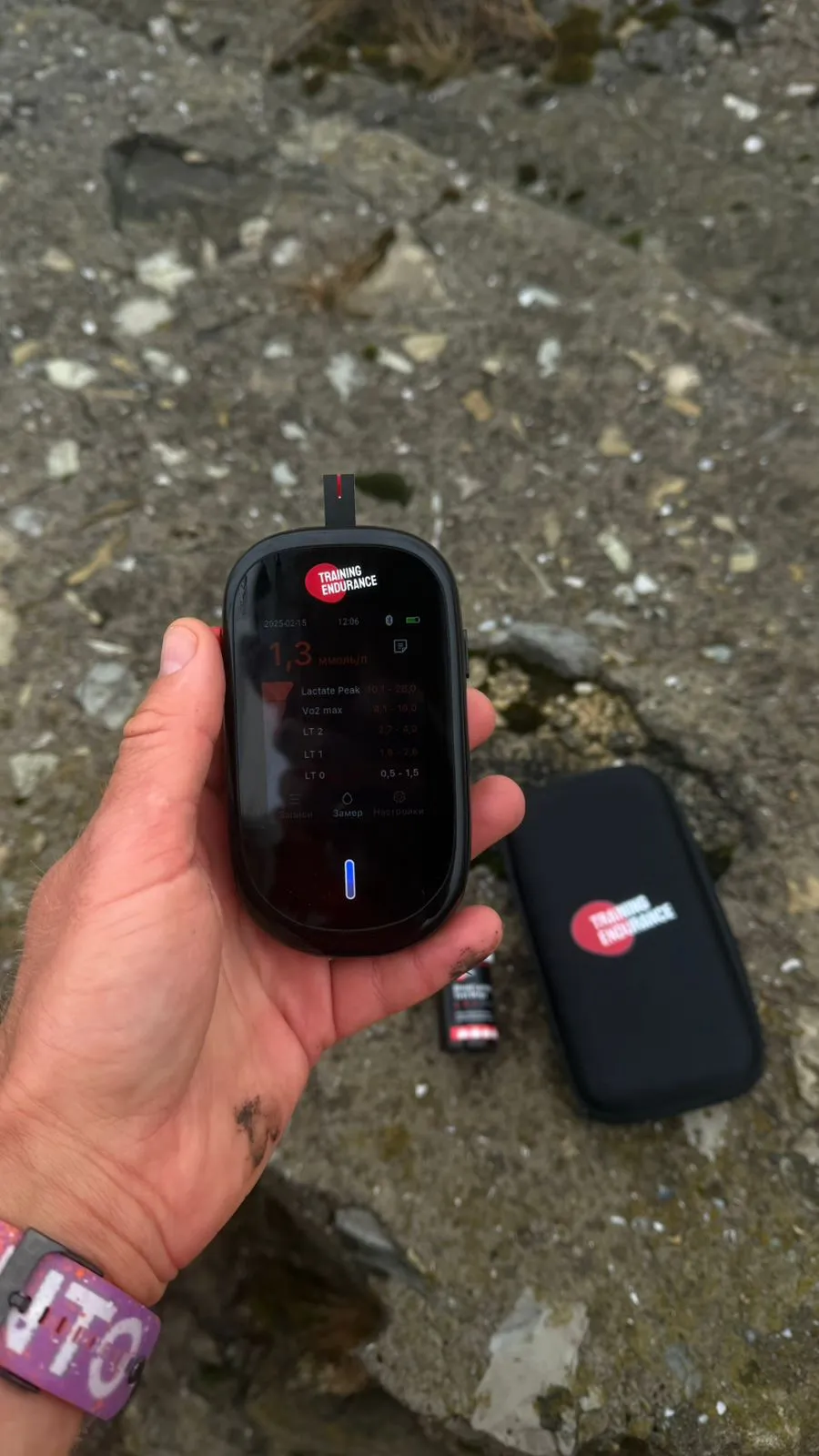
Lactate Thresholds — Why They Matter for Athletes
Lactate thresholds — LT1 and LT2 — are the key metabolic points that define the boundaries of your training zones. LT1, the first lactate threshold, is the…
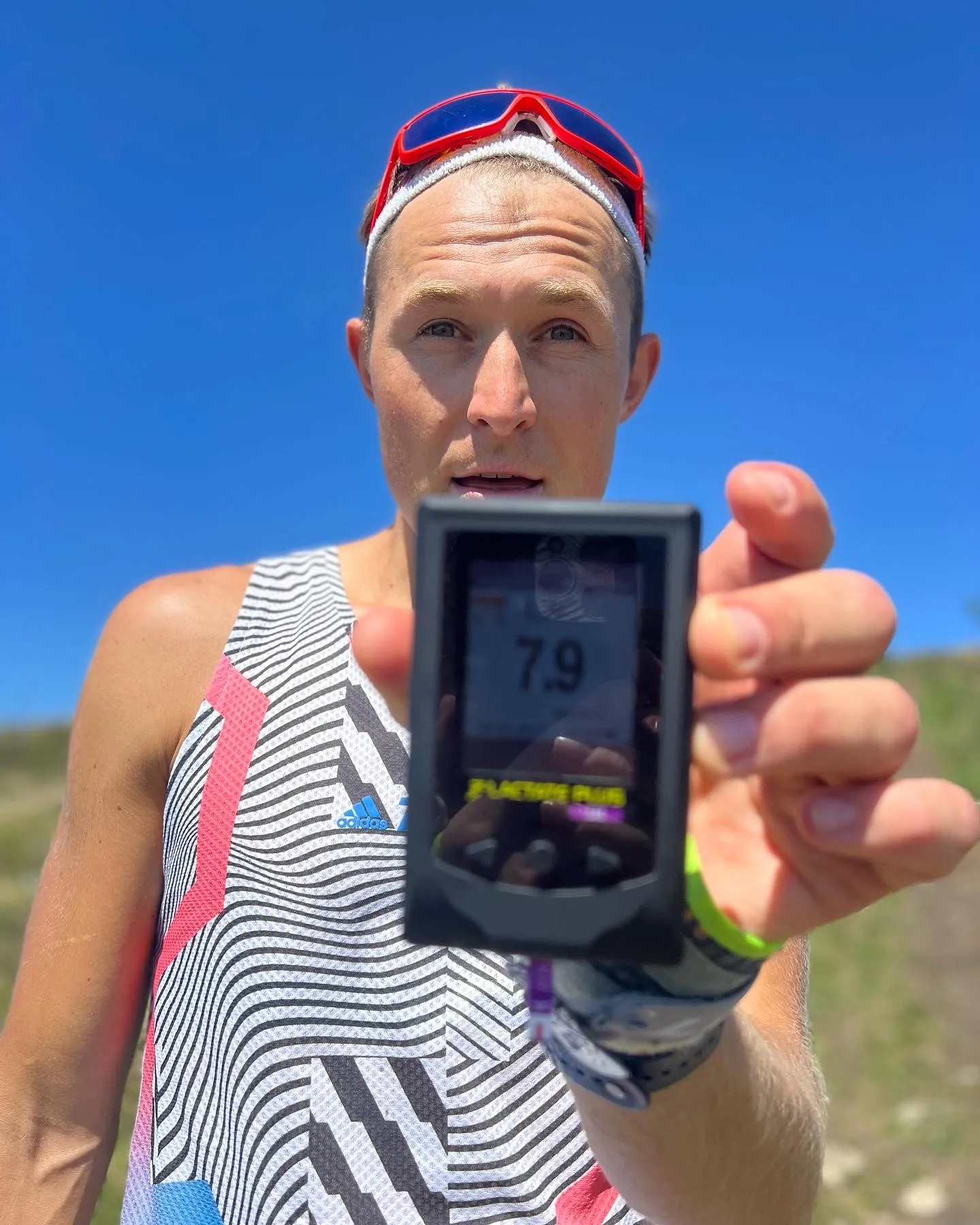
Lactate thresholds — LT1 and LT2 — are the key metabolic points that define the boundaries of your training zones.
LT1 — the first lactate threshold
LT1 is the lowest exercise intensity at which a measurable increase in blood lactate concentration is observed compared with resting lactate concentration.
In the context of endurance training, LT1 is marked by the first rise in lactate concentration above resting levels. It should not be confused with the second lactate threshold, LT2, which occurs at a higher exercise intensity.
Lactate threshold 1 typically averages between 1.3 and 2.5 mmol/L. In most athletes who specialize in long-distance racing, our metabolic testing at the "TRS Endurance Studio" shows FatMax at or just above LT1.
We only need LT1 as an indirect marker of fat and carbohydrate expenditure, because when you run faster or slower than the first threshold, nothing fundamentally changes. When you train just above LT1, lactate concentration remains in a steady state.
LT2 — the second lactate threshold
LT2, on the other hand, is a true "threshold," because it clearly distinguishes two intensities from each other:
Above LT2 — lactate concentration rises over time, and there is no longer a lactate steady state. The faster your pace above LT2, the sooner you reach your peak lactate and are forced to slow down.
Below LT2 — lactate concentration does not increase over time. A lactate steady state exists. You can sustain this intensity for a long time, until you become limited by energy availability or other factors, such as electrolyte balance.
With LT1, there is no such clearly visible difference below and above the threshold.
Maximal lactate steady state
LT2 is the highest intensity at which lactate in the muscles and blood can reach a constant concentration, which is why it is commonly called the maximal lactate steady state (MLSS). In other words, it is the point at which the rate of lactate production is exactly equal to the rate of clearance — where any decrease in intensity leads to a drop in lactate levels, and any increase in intensity leads to a nonlinear accumulation of lactate.
You may also see the term "lactate threshold" used interchangeably with AT — the anaerobic threshold, or VT2 — the ventilatory threshold. However, all of these terms have slightly different meanings because of the different measurement methods. In the "classical" view, for example, the ventilatory threshold, when measured based on RER, should coincide with the lactate threshold, but in practice this rarely happens, especially in athletes who specialize in various ultra-distances.
Lactate threshold 2 typically averages between 2.5 and 4.5 mmol/L. On average, you will be able to sustain this intensity for about 60–90 minutes if you go by "classical" data, but in practice it can be much longer — it all depends on the amount of available energy in the form of carbohydrates.
Training zones
If you look at the classical 3-zone model, you can map it out roughly as follows:
Training zone 1: below LT1 (1–2 mmol/L)
Training zone 2: between LT1 and LT2 (2–4.5 mmol/L)
Training zone 3: above LT2 (above 4.5 mmol/L)
In upcoming posts, we will cover self-administered tests and how to determine these thresholds.