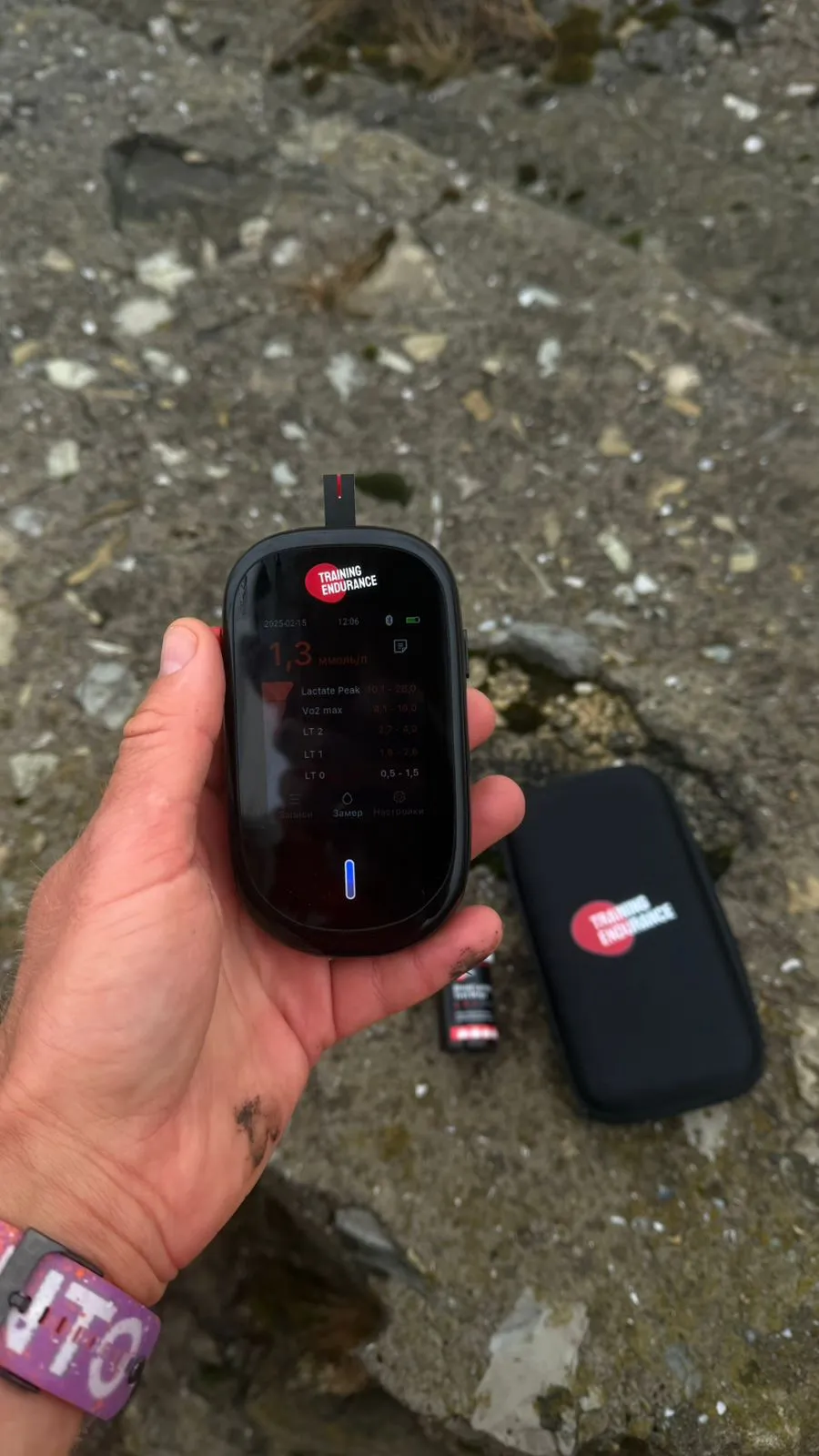
Why Athletes Measure Lactate
Controlling intensity is the foundation of a quality training process, and lactate is a precise marker of workload. Regardless of…
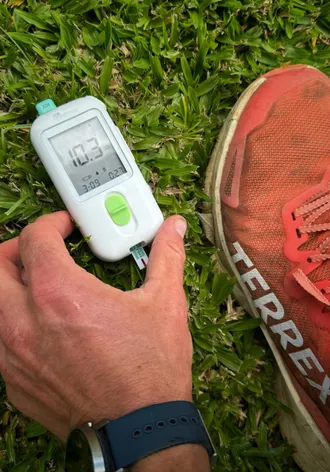
Controlling intensity is the foundation of a quality training process, and lactate is a precise marker of workload. Regardless of the sport, the winner is the one who can do more work at the intensity that delivers the greatest benefit.
Let’s look at several reasons why athletes measure lactate.
Lactate: a marker of glycolytic activity
Lactate is always the end product of glycolysis (also called the anaerobic energy system). So the rate of lactate production tells you something about how active the anaerobic energy system is.
Lactate: a marker of fatigue
Lactate itself doesn’t cause fatigue. However, blood lactate concentration is a good marker of fatigue. For example, when an athlete shows a steady increase in lactate concentration, you can be sure they will become fatigued.
Fatigue markers such as heart rate aren’t always accurate, especially during dehydration. Lactate, on the other hand, directly reflects how hard you’re working right now, which energy system you’re using, and, accordingly, which training goals you’re addressing.
Lactate: a marker of carbohydrate use
The lactate production curve resembles the carbohydrate-burning curve. We can’t use lactate to quantify how many carbohydrates you burn, but we can say for certain that the higher the lactate, the more carbohydrates you’re using as an energy source during exercise. If you have metabolic testing data, you can easily tie it to your lactate profile and quantify your consumption.
Intensity, duration, and lactate level
Blood lactate concentration changes depending on the intensity of physical exercise. At higher exercise intensities, you’ll ultimately get higher blood lactate values.
Blood lactate concentration can also change over time, even when exercise intensity stays the same. If your intensity is above lactate threshold 2 (the anaerobic threshold), you’ll continuously accumulate lactate up to your maximum possible level, and the higher it is, the faster you’ll accumulate it and the sooner you’ll have to slow down.
Imagine, for example, an athlete running 10 km. Their running pace stays roughly the same. However, the lactate concentration at the finish will be higher than in the middle of the race. In other words: lactate concentration increases even if the pace stays constant. There’s a term for this — the rate of lactate formation: the lower this figure is for you, the better.
Lactate concentration depends on time and intensity. Each person responds differently to these two factors. So if you want to learn how you respond to a workload, it may make sense to use different durations and different exercise intensities in your lactate testing protocol.
This also makes clear that you can’t compare the results of two different (in duration and/or intensity) linear or step protocols.
Error models
Blood lactate is measured in mmol/L, and plasma volume itself can expand and contract depending on fitness, heat-stress adaptation, and other circumstances. In the off-season it can decrease fairly quickly, which can lead to a higher measured lactate concentration. So, for the same power output between two tests of a person with the same fitness level, we expect the same absolute mmol of lactate to be produced. In testing, we found this to be highly reproducible.
Let’s look at what happens when we change plasma volume. At rest, if an athlete is at a lactate level of 1 mmol/L with a blood volume of 5 L, the athlete’s blood contains just 5 mmol of lactate. During exercise, if the volume increases to 5.5 L, the concentration drops to 5 mmol / 5.5 L = 0.91 mmol/L, which seems negligible. If a test results in a blood lactate of 15 mmol/L with a blood volume of 5 L, then total lactate is 75 mmol. If the same test is run with 5.5 L of blood, the resulting value is 75 mmol / 5.5 L = 13.6 mmol/L. Dehydration can strongly affect lactate readings.